
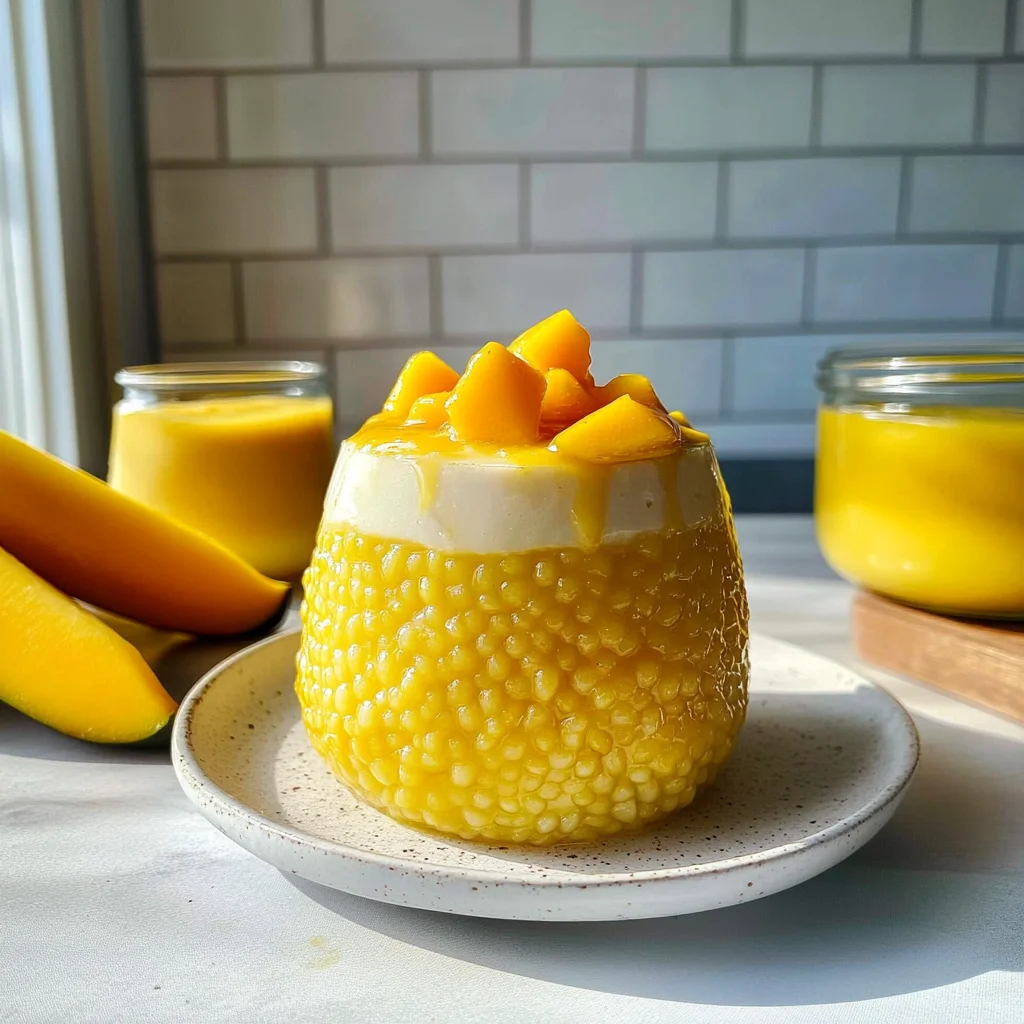
Imagine a sun-drenched afternoon, where the air is thick with the scent of ripe mangoes, and each spoonful of mango sago feels like biting into a cloud of sweetness. This delightful dessert, with its creamy coconut milk base and chewy sago pearls, dances on your palate, offering a tropical escape that’s both refreshing and indulgent.
Every time I whip up this treat, it takes me back to lazy summer days spent lounging under swaying palm trees, sharing laughter with friends over bowls of this vibrant goodness. Perfect for picnics, parties, or simply as a sweet ending to any meal, mango sago promises a flavor experience that will have you dreaming of sunny days long after the last bite.
Why Does Everyone Love mango sago?
Creamy texture: The combination of coconut milk and ripe mangoes creates a luscious dessert that melts in your mouth.
Tropical flavor: Each spoonful bursts with sweetness from fresh mangoes, balanced perfectly by a hint of lime.
Quick prep: With just 15 minutes of prep time, you can whip up this delightful treat without any fuss.
Crowd-pleaser: Perfect for gatherings, everyone will rave about this refreshing dessert that caters to various tastes.
Versatile delight: Serve it as a light snack or a decadent finish to any meal—this mango sago is sure to impress!
mango sago Ingredients
For the Sago Pearls
- 1 cup sago pearls (uncooked) – These little pearls are the star of the show, providing a delightful chewy texture to your mango sago.
For the Mango Puree
- 2 cups ripe mangoes (peeled and diced) – Choose sweet, ripe mangoes for a vibrant flavor that elevates this dessert.
- 1 tablespoon lime juice (for flavor) – A splash of lime juice brightens the sweetness of the mangoes perfectly.
For the Coconut Milk Mixture
- 1 can coconut milk (full fat) – Full-fat coconut milk adds a rich creaminess that complements the fruity notes beautifully.
- 1 cup water – This helps to thin out the coconut milk, creating a smooth, pourable consistency.
- 1/4 cup sugar (adjust to taste) – Sweeten to your preference; you can always add more if you like it sweeter!
Directions: mango sago

1. Rinse the sago pearls under cold water until the water runs clear, ensuring they are clean and ready for cooking. This step is crucial for achieving that perfect texture in your dessert.
2. Boil 4 cups of water in a pot, then add the uncooked sago pearls. Let them dance in the bubbling water; the excitement begins as they start to soften and expand.
3. Cook for about 30 minutes, stirring occasionally. Watch as the sago pearls transform from opaque to translucent, a sign that they’re nearly ready to shine in your dessert.
4. Remove from heat, cover, and let sit for 10 minutes. This resting period allows any remaining heat to finish the cooking process gently.
5. Strain the cooked sago pearls and rinse under cold water to stop the cooking process. This will help maintain their delightful chewiness without becoming gummy.
For the Mango Puree:
6. Blend in a blender by combining the diced mangoes and lime juice until smooth. The vibrant color and sweet aroma will fill your kitchen with tropical delight!
For the Coconut Milk Mixture:
7. Combine in a pot the coconut milk, water, and sugar, heating gently until the sugar dissolves fully into this creamy mixture—about 5 minutes on low heat will do.
8. Add the cooked sago pearls to the coconut milk mixture and stir well to incorporate everything beautifully, ensuring each pearl is coated in that luscious creaminess.
9. Remove from heat and let cool slightly for about 10 minutes before assembling your dessert masterpiece—this will make layering easier.
10. Layer in serving bowls by alternating between mango puree and the sago-coconut mixture for a stunning visual treat that’s just as delicious!
11. Chill in the refrigerator for at least 1 hour before serving, allowing all those flavors to meld together into something truly special.
Optional: Garnish with fresh mint leaves for an extra touch of freshness!
Exact quantities are listed in the recipe card below.
Tips for the Best mango sago
- Rinsing Sago Pearls: Rinse the pearls thoroughly to eliminate excess starch, which can make your mango sago gummy. Clear water is key!
- Cooking Time: Cook the sago pearls for exactly 30 minutes; undercooking will leave them hard, while overcooking can turn them mushy.
- Resting Period: After cooking, let the sago sit covered for 10 minutes. This step helps achieve that perfect chewy texture.
- Sugar Adjustment: Taste the coconut milk mixture before adding it to the sago. Adjust sugar according to your preference for sweetness in your mango sago.
- Chilling Time: Be patient and chill for at least one hour. This allows flavors to meld beautifully and enhances the overall experience.
How to Store and Freeze mango sago
- Fridge: Store leftover mango sago in an airtight container for up to 3 days. The coconut milk may thicken, so stir before serving.
- Freezer: While not ideal, you can freeze mango sago in a sealed container for up to 1 month. Thaw in the fridge overnight and stir well before enjoying.
- Mango Storage: Keep unpeeled ripe mangoes at room temperature for 1-2 days; once peeled, refrigerate them in a covered container for up to 3 days.
- Sago Pearls: Uncooked sago pearls can be stored in a cool, dry place for several months. Once cooked, they should be consumed within 1 day for best texture.
mango sago Variations
Feel free to get creative and make this delightful dessert your own with these fun twists!
- Dairy-Free: Substitute coconut milk with almond or oat milk for a lighter, nutty flavor. This option keeps the creaminess while adding a unique taste profile that pairs beautifully with mangoes.
- Sweetened Coconut: Use sweetened coconut cream instead of regular coconut milk for extra richness and sweetness. This variation brings a tropical flair that enhances the overall dessert experience.
- Fruit Fusion: Mix in other fruits like diced kiwi or strawberries to add color and flavor. This not only elevates the dish visually but also creates a refreshing burst of fruity goodness in each bite.
- Spice It Up: Add a pinch of cardamom or cinnamon to the coconut mixture for an aromatic twist. The warm spices will complement the sweetness of the mangoes and give your dessert a cozy touch.
- Texture Play: Incorporate crushed nuts or toasted coconut flakes for added crunch. This contrast in textures makes every spoonful exciting, inviting both creamy and crunchy sensations.
- Chili Kick: For those who love some heat, sprinkle in a dash of chili powder or cayenne pepper. The slight spiciness balances nicely with the sweetness, creating a complex flavor experience that’s hard to resist.
- Vegan Sweetener: Replace sugar with agave syrup or maple syrup for a natural sweetening option. This twist not only caters to vegan lifestyles but also adds depth to the sweetness without overpowering the dish’s essence.
Make Ahead Options

Preparing mango sago is a delightful way to ensure you have a refreshing dessert ready for any occasion. You can easily prepare the sago pearls and mango puree up to 24 hours in advance, making your meal prep a breeze. Start by rinsing 1 cup of uncooked sago pearls under cold water before boiling them in 4 cups of water for about 30 minutes until they turn translucent. Once cooked, strain and cool them down. Meanwhile, blend 2 cups of diced ripe mangoes with 1 tablespoon of lime juice to create a smooth puree. For the coconut milk mixture, combine 1 can of full-fat coconut milk with 1 cup of water and 1/4 cup of sugar—this can also be prepared ahead of time. Store each component separately in the refrigerator; this will help maintain their texture and flavor. When you’re ready to serve, simply layer the mango puree with the sago-coconut mixture and chill for an hour or so, allowing the flavors to meld beautifully in your creamy mango sago delight!
mango sago Recipe FAQs
What type of sago pearls should I use for mango sago?
For the best results, use uncooked sago pearls, which are small, round tapioca balls. They should be translucent and chewy once cooked. Be sure to rinse them before boiling to get rid of any excess starch.
How long do I need to cook the sago pearls?
Cook the sago pearls for about 30 minutes in boiling water. You’ll know they’re ready when they turn completely translucent. After cooking, let them sit covered for an additional 10 minutes to ensure they reach the perfect texture.
Can I adjust the sweetness of my mango sago?
Absolutely! You can adjust the sugar in the coconut milk mixture according to your taste. Start with 1/4 cup and add more if you prefer a sweeter dessert. Remember that ripe mangoes also contribute natural sweetness, so taste as you go!
How should I store leftover mango sago?
If you have leftovers, store them in an airtight container in the refrigerator for up to 2 days. Just give it a gentle stir before serving again as the layers may settle.
Can I freeze mango sago for later?
While it’s possible to freeze mango sago, keep in mind that the texture of the sago pearls may change once frozen and thawed. If you decide to freeze it, consume it within a month and allow it to thaw overnight in the fridge before enjoying.
What’s a good serving size for this recipe?
This recipe yields about 4 servings, each with approximately 250 calories. It’s a delightful treat that’s perfect as a light dessert after a meal or as a refreshing snack on its own!
Mango Sago
Ingredients
Method
- Rinse the sago pearls under cold water until the water runs clear.
- Boil 4 cups of water in a pot, then add the sago pearls.
- Cook for about 30 minutes, stirring occasionally, until the pearls become translucent.
- Remove from heat, cover, and let sit for 10 minutes.
- Strain the sago pearls and rinse under cold water to stop the cooking process.
- In a blender, combine the diced mangoes and lime juice. Blend until smooth.
- In a pot, combine the coconut milk, water, and sugar. Heat gently until the sugar dissolves.
- Add the cooked sago pearls to the coconut milk mixture and stir well.
- Remove from heat and let cool slightly.
- In serving bowls, layer the mango puree and the sago-coconut mixture.
- Chill in the refrigerator for at least 1 hour before serving.